Published: December 2025 • By InvestPlanner.in
Credit Card vs Debit Card vs UPI: Which One Actually Helps You Save Money?
In today’s digital world, three payment methods dominate our daily life in India: credit cards, debit cards and UPI apps. On the surface they all do the same thing — help you pay. But when you look deeper, each one affects your spending habits, savings, debt and financial discipline in very different ways. In this article, we break down which one actually helps you save money and how to use each one smartly.
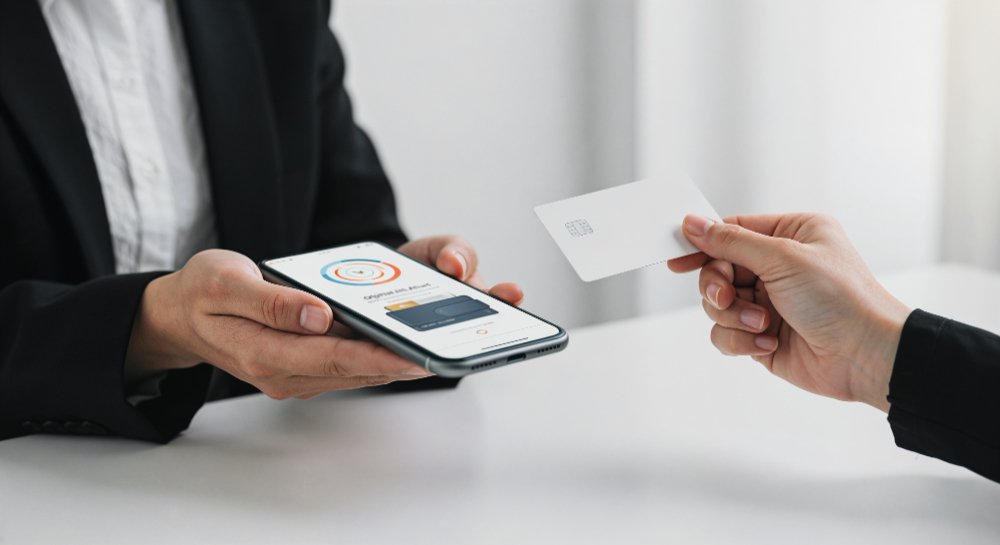
First, Understand How Each Payment Method Works
Before comparing, it helps to understand the basic nature of each payment tool. Once you know how they work, it becomes easier to see how they influence your behaviour and your bank balance.
1. Credit Card — “Spend Now, Pay Later”
A credit card allows you to spend using a bank-approved limit and pay back the amount later, usually within an interest-free period of up to 45–50 days. It is essentially a short-term loan facility attached to a plastic (or virtual) card.
Typical advantages:
- Interest-free period if the bill is paid in full and on time.
- Cashback, reward points, discounts and travel benefits.
- Helps build a credit score if used responsibly.
- Useful as an additional buffer during emergencies.
Common drawbacks:
- High interest rates on outstanding balances if dues are not paid (can be very expensive over time).
- Late payment charges and other fees.
- Encourages overspending if you treat the credit limit like “extra income”.
- Can lead to a debt trap if used without discipline.
2. Debit Card — “Spend What You Already Have”
A debit card is directly linked to your bank account. Whenever you tap, swipe or use it online, the money is deducted from your account immediately. There is no borrowing involved.
Typical advantages:
- No debt or loan component involved.
- Easy to track spending — you can clearly see how much money is leaving your account.
- Helps with budgeting, because you can only spend what you actually have.
- No interest charges or rolling balance.
Common drawbacks:
- Generally limited rewards or cashback compared to credit cards.
- Does not help build a credit history or credit score.
3. UPI — “Instant, Cashless, Zero-Friction Payments”
UPI (Unified Payments Interface) connects your bank account to apps like PhonePe, Google Pay, Paytm and many others. It allows instant transfers using UPI IDs, QR codes or mobile numbers.
Typical advantages:
- Very fast and extremely convenient.
- Widely accepted for everything from vegetable vendors to online shopping.
- No need to swipe a card or carry cash.
- Usually no direct transaction charges for regular users.
Common drawbacks:
- Payments feel almost effortless, which can lead to impulse spending.
- Small, frequent payments add up without being noticed.
- Usually no or very limited rewards compared to good credit cards.
The Real Question: Which One Helps You Save Money?
Saving money is not only about interest rates or cashback percentages. It is closely linked to behaviour and psychology. That is why understanding how each method affects your mind is more important than just looking at the features.
How Each Method Affects Your Spending Behaviour
There is a concept called payment friction — how “painful” it feels to spend money. The more painless a payment is, the more likely you are to overspend.
UPI: Almost Zero Friction
UPI is so fast and easy that you barely feel you are paying. You scan a QR code or tap a button and the money is gone. This is great for convenience, but it also makes it very easy to:
- Order frequent food deliveries,
- Take quick cab rides you do not truly need,
- Make impulse purchases in small amounts.
Credit Card: Low Friction
When you use a credit card, no money leaves your bank account immediately. The impact is felt only when the bill arrives. This “spend now, worry later” structure can tempt you into:
- Buying items during sales that you did not plan for,
- Opting for higher-priced options because “I will pay later”,
- Converting to EMIs and stretching your budget.
Debit Card: Natural “Pause and Think” Effect
With a debit card, money leaves your bank account immediately. When you see your account balance go down in real time, it creates a natural “pause” before you spend. You are more likely to ask:
- “Can I really afford this right now?”
- “Will this affect my other monthly commitments?”
This simple pause often protects you from unnecessary spending.
From a pure spending control point of view, the debit card usually comes out on top.
Rewards and Cashback: Are You Really Gaining?
One of the biggest reasons people love credit cards is the promise of rewards. However, the value of these rewards depends entirely on how you use the card.
Credit Card Rewards
Good credit cards may offer:
- 1–5% cashback on selected categories,
- Reward points that can be converted into vouchers or miles,
- Special offers on travel, dining and online shopping.
These benefits are useful only if you:
- Pay your total due amount in full every month,
- Avoid interest and late payment charges,
- Do not overspend just to “earn rewards”.
Debit Card Rewards
Many debit cards offer some basic rewards, like:
- Occasional cashback campaigns,
- Fuel surcharge waivers at certain pumps,
- Small reward points on POS or online spends.
These are generally modest, but they also do not carry the risk of interest or debt.
UPI Rewards
In the early days of UPI, some apps gave frequent scratch cards and cashback for transactions. Over time, these rewards have reduced for many users. While you may still see some offers, UPI is now more of a convenience tool than a rewards engine.
From a pure rewards perspective, a well-managed credit card wins. But the key phrase is “well-managed”. If you carry balances, pay interest or start overspending, the cost can easily wipe out any rewards earned.
Risk of Financial Damage
When we talk about “which one helps you save money”, we also have to consider which one can harm your financial health the most if misused.
Credit Card: High Risk if Mismanaged
The danger with credit cards arises when:
- You pay only the minimum amount due (the remaining balance attracts interest).
- You miss due dates and accumulate late fees.
- You use the entire limit or go beyond.
Over time, this can lead to:
- A growing pile of debt,
- High interest outflow,
- Stress and damage to your credit score.
Debit Card: Low Structural Risk
Because you can only spend what is in your account, you cannot directly build up debt through debit card usage. Of course, you can still misuse your own money, but there is no interest burden or rolling balance attached to it.
UPI: Medium Risk Through Invisible Overspending
UPI itself does not create debt as long as it is linked to a bank account or debit card. The risk lies in how easy it is to spend small amounts frequently. Many people are surprised when they finally check their monthly UPI history and see how much went into:
- Food delivery,
- Coffee and snacks,
- Quick cab rides,
- Small online purchases.
In terms of pure structural safety, the debit card is again the safest option.
Impact on Monthly Budget and Planning

A big part of saving money is staying in control of your monthly budget. The way your payment method shows money leaving your account has a strong influence on how you manage your budget.
With Credit Cards
You feel the impact of spending only when the bill arrives. By that time, many individual purchases are forgotten. This delayed impact makes it harder to connect daily decisions with monthly outcomes.
With Debit Cards
Every transaction immediately reduces your bank balance. Your available money is always visible, which makes it easier to:
- Stick to a fixed monthly spending limit,
- Avoid going beyond your budget,
- Adjust future spending if you think you are going overboard.
With UPI
UPI transactions are recorded, but because they are so quick and often small in value, many people do not review them regularly. This can create a false sense of “I did not spend that much” until you see the consolidated monthly total.
For budgeting and awareness, debit cards again provide the clearest connection between spending and your bank balance.
Long-Term Financial Health and Credit Score
Long-term financial health is not just about avoiding overspending today. It also involves building a good reputation with lenders for future needs like home loans, car loans or business loans.
Credit Cards and Credit Scores
Responsible credit card usage can help build a positive credit history. Paying bills on time, keeping utilisation moderate and avoiding over-dependence on credit improves your profile in the eyes of lenders.
Debit Cards and UPI
Debit card and UPI transactions are not credit-based, so they typically do not contribute directly to your credit score. Their role is more about helping you spend your own money conveniently and keep your financial life stable.
This means that in terms of future access to loans, credit cards (when managed wisely) have an advantage. But in terms of everyday savings and control, debit cards perform better for many people.
Quick Comparison: Savings Angle Only
| Feature | Credit Card | Debit Card | UPI |
|---|---|---|---|
| Savings Discipline | Depends on self-control | Generally strong | Can be weak due to ease |
| Risk of Debt | High if misused | Low (no borrowing) | Low (if linked to bank balance) |
| Rewards & Cashback | High (if used well) | Low to moderate | Low for most users |
| Budget Visibility | Delayed impact | Immediate impact | Requires manual review |
| Convenience | High | High | Very High |
So, Which One Actually Helps You Save More?
If we focus only on savings and everyday money control:
- Debit Card usually wins on discipline, budgeting and avoiding debt.
- Credit Card can be excellent for rewards if you are highly disciplined and pay in full every month.
- UPI is unbeatable for convenience, but can quietly encourage overspending if you do not track it.
The “best” method depends on your behaviour:
- If you struggle with impulse spending: Debit card is safer.
- If you are disciplined, track expenses and pay on time: A good credit card can give rewards and build your credit score.
- If you love UPI: Set limits and review your UPI history weekly so you stay aware of your spending.
How to Use All Three Smartly (Without Losing Money)
You do not need to choose only one method. You can combine all three in a way that supports your savings instead of working against them.
1. Use Debit Card as Your Primary Spending Tool
- Use it for groceries, fuel and regular monthly expenses.
- Link it to a separate “monthly expenses” bank account if possible.
- Transfer only the amount you have budgeted into this account each month.
2. Use Credit Card for Planned, Bigger Purchases
- Pay bills, travel bookings and major online orders with your credit card if rewards are good.
- Always pay the full bill amount before the due date.
- Avoid converting normal spends into EMIs unless it is part of a clear plan.
3. Use UPI for Small, Necessary Payments — with Limits
- Set a mental or app-based daily and monthly limit for UPI spends.
- Use UPI mainly for essentials like local shops, bills and small transfers.
- At least once a week, quickly scroll through your UPI history to stay aware.
Simple Psychological Tricks to Save More
- Disable tap-to-pay if you tend to swipe without thinking.
- Turn off unnecessary notifications and offers that tempt you to spend for rewards.
- Keep only one or two cards instead of many, so tracking is easier.
- Set up alerts for high-value transactions or when you cross a certain monthly spend limit.
Final Thoughts
Saving money is not just about choosing the “best” product in theory. It is about choosing the tools that match your habits and help you stay in control. For most people:
- Debit cards are the best foundation for everyday savings and discipline.
- Credit cards are powerful tools when used responsibly, but risky if misused.
- UPI is a great convenience tool that should be paired with regular review and limits.
When you align your payment methods with your financial goals, they stop being just ways to spend money and start becoming tools that help you save, plan and grow your money more effectively.